Connecting churches & CCWs

Barnabas Teams In-between villages
by Matt Foster, Trustee on the AFM Board of Directors
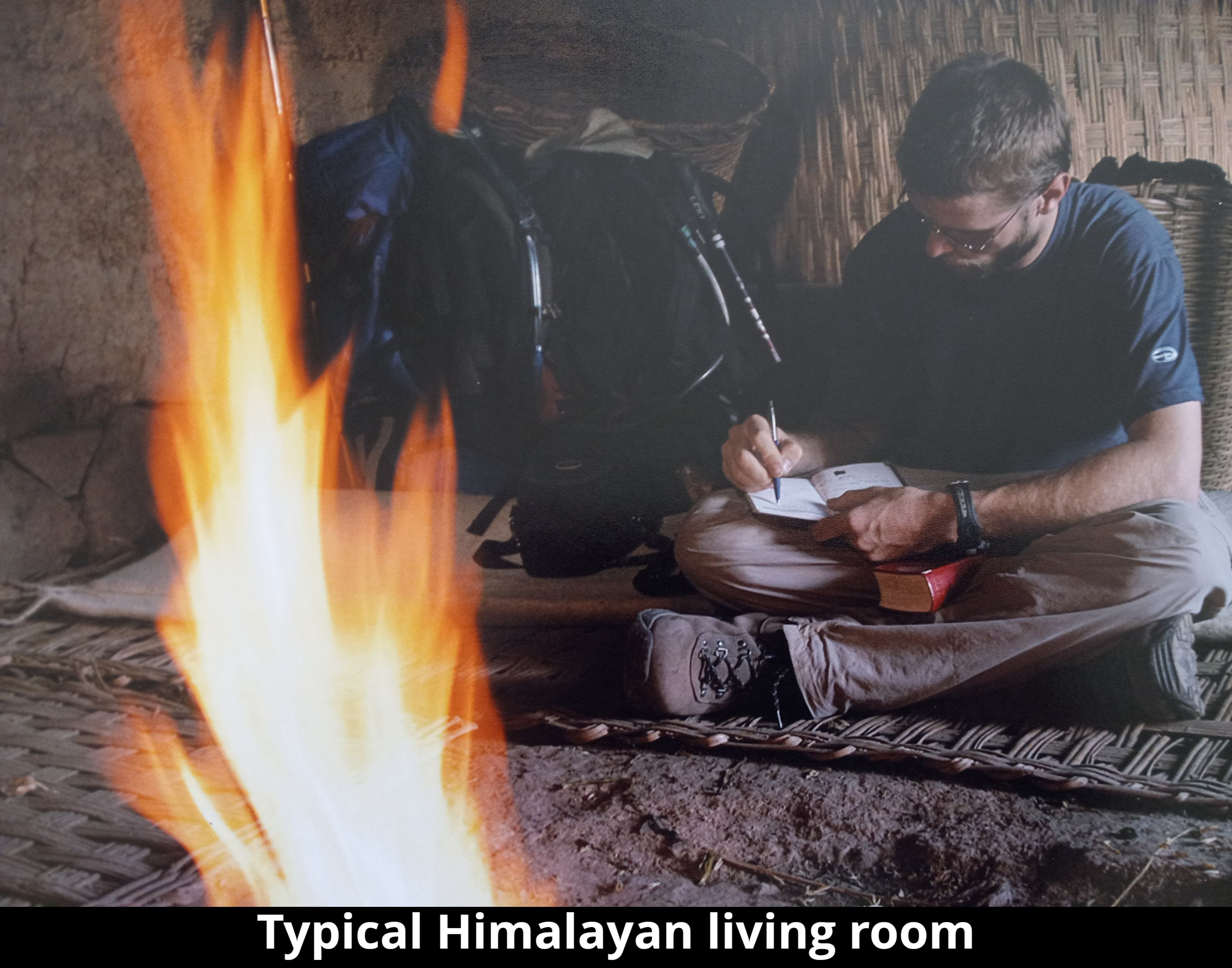
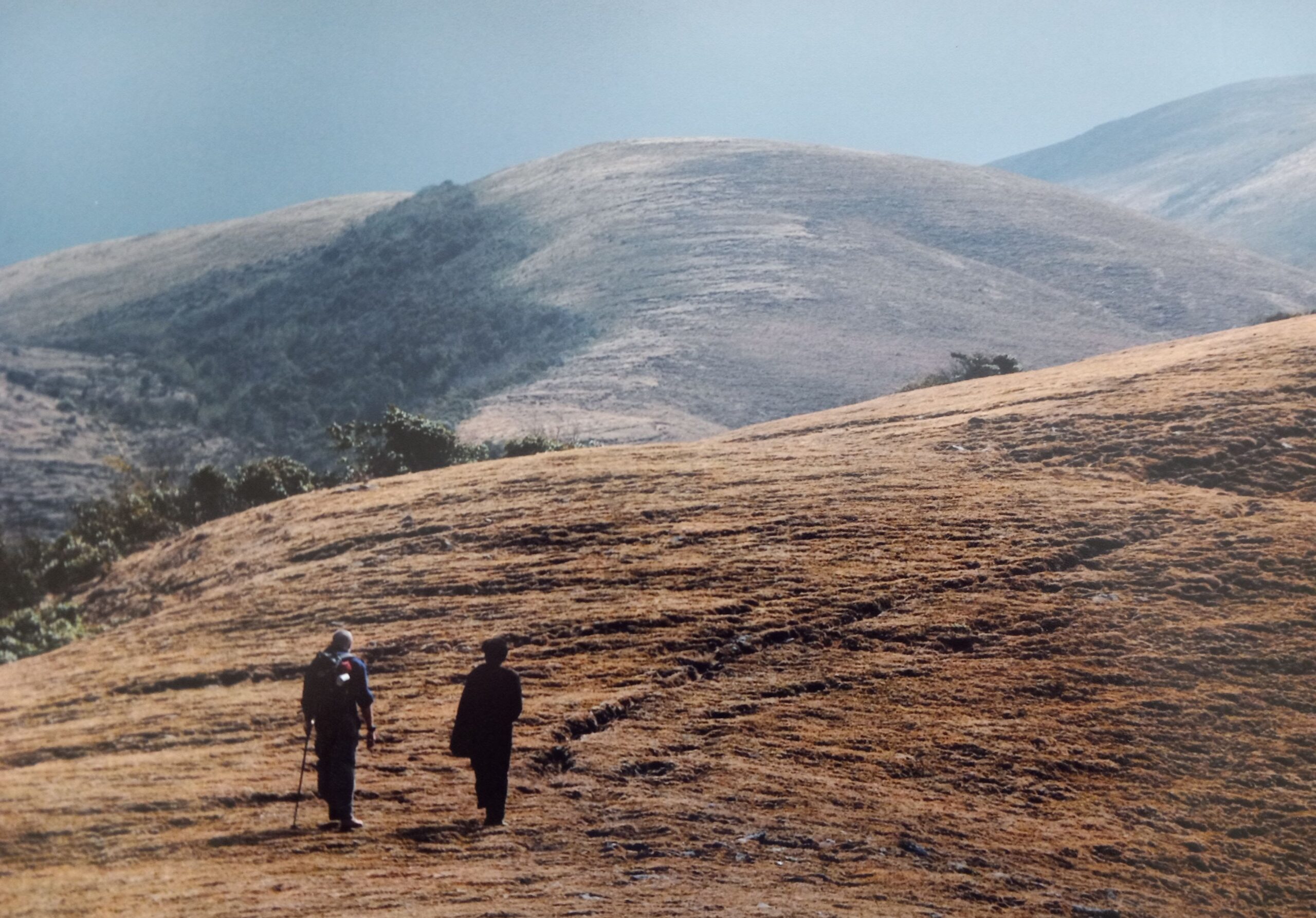
One week after graduating from college, I went overseas to work among an unreached people group (UPG) in the foothills of the Himalayas. I left for a two-year term and was allowed to extend that term for another year. In those three years, my small team strategized to get the gospel message to UPGs whom God had put on our hearts. We learned the language, trekked from village to village identifying needs of the people, and shared the Jesus Film. We hosted over 100 volunteers who came to work among our people and partnered with Asian missionaries for meaningful follow-up and discipleship. The work was stressful, exhilarating, not entirely legal, and formational beyond any other experience of my life.

The first Sunday after I returned from those life-changing three years, one of my pastors greeted me with enthusiasm, “We are so glad you are back! How was your trip?!” I knew what he meant, but I was still disappointed by his phrasing. I had been transformed. I had lived and worked in another world. I was a different person than when I had left. But to most of the people at my home church, I had been on a long trip, and they had not been part of it with me.

One of the things I appreciate about AFM is the importance placed on taking care of our missionaries (called “missionary member care”) and the local church’s participation in missionary member care. AFM cross-cultural workers (CCW) raise prayer and financial support from a broad network of friends, family, and church members. This is good and healthy, but if the support is purely financial, the churches do not remain meaningfully connected to CCWs. This hurts the church and isolates CCWs.

Currently I serve with Christ the King Anglican Church in Boone, NC. We are not a large church, but we have sent out three CCWs. We have one family and one single serving in Bible translation, and one single working in relational evangelism among a UPG. Each CCW has a support team that meets and communicates regularly with them. AFM calls this type of team a Barnabas Team. I can’t emphasize enough how critical these teams are to the long-term health of the CCWs and their work.

AFM requires every CCW to develop a Barnabas Team from their sending church to join them in their work among the unreached. That requirement helps to give logistical, pastoral, and prayer support to CCWs and grows the missional vision of the sending church. AFM believes that a church’s involvement in global mission is life-giving to the church.
At Christ the King, because of our CCW relationships, our prayer life is vibrant, our vision for the lost is passionate, and we are reminded weekly that God’s purposes are global.  Regular communication, prayer, and advocacy for the unreached have changed the way we worship and even the way we think about our own community.

If you want to learn more about Barnabas Teams and how to become a missionary-sending church, I invite you to contact us at info@afm-us.org. I also invite you to participate in AFM’s pre-conference, Testimonies from the Mission Field, before New Wineskins.  In this pre-conference event, we’ll hear first-hand the experiences of AFM’s CCWs and learn how their work has been done as extensions of their local, sending church. Not all are called to go, but all are called to participate in God’s Global Mission.

Leave your comment