
Anglican Frontier Missions
  • HOME
  • ABOUT
    • Who We Are
    • Our Board
    • Our Staff
    • Statements of Faith
    • Why AFM?
  • GIVE
  • GO
    • Application Forms
    • A Few Locations
      • India
      • Nigeria
      • Southeast Asia
    • Minister through Creative Arts
    • Opportunities for Clergy
    • Role Call: Cross-Cultural Apprenticeship
    • Strategy Coordinator
  • CONNECT
    • 📱 Social Media
    • Digital Missions Curricula
    • E-Newsletter and Prayer Updates
    • Invite Dr. Royer & Other AFM Speakers
    • Pray
    • Weekly Prayer Meetings
    • Resources – print
      • How To Form a Missions Committee
      • 10/40 Window
      • AGMP Mission Match
      • Articles/Sermons on Mission Frontiers
        • Anglican Frontier Missions, DOMA Churches, and the Global Missions Initiative: a Profile of Partnership
        • Currents of Change: How Did Everything become Missions?
        • The Great Confusion
        • How to Keep the Unreached Peoples…Unreached?
        • Pentecost and Prayer: Let Your Word be Spoken, heard, obeyed, through Him Who is the Word
        • ReforMission: Churches that Changed Their Minds
        • The Rise and Fall of Movements
        • Seeing From Another Perspective
        • Toward the Edges: Using the M Words
        • We Are Not All Missionaries, But We Are All on Mission!
        • What’s the Harm in Calling Everything Missions?
        • When Everything is Missions review (James Mason)
        • When Everything Is Missions review (Kevin DeYoung)
        • Zealous for the Things that Matter
        • 24:14 Goal: Movement engagements in every unreached people and place by 2025 (74 months)
      • Companion Dioceses, Global Partnerships, and UPGs
      • Eucharistic Healing of Nations
      • Perspectives Course
      • Reaching Hindus
      • Reaching Muslims
      • Suggested Books and Videos
    • Resources – video
      • AFM’s Heart for Frontier Peoples
      • ASAP Anglicanly
      • The Call to Nigeria
      • The Contextualizability of Anglicanism
      • Orality and Storying Scripture
      • Prayer Walk
      • Reaching Frontier People Groups
      • Reaching the Unreached
      • The Story of God
      • Tad de Bordenave on Mission
      • The Vision of AFM
      • Why You Should Go To The Mission Field
      • 25 Years of AFM
  • BLOG
  • CONTACT
  • HOME
  • ABOUT
    • Who We Are
    • Our Board
    • Our Staff
    • Statements of Faith
    • Why AFM?
  • GIVE
  • GO
    • Application Forms
    • A Few Locations
      • India
      • Nigeria
      • Southeast Asia
    • Minister through Creative Arts
    • Opportunities for Clergy
    • Role Call: Cross-Cultural Apprenticeship
    • Strategy Coordinator
  • CONNECT
    • 📱 Social Media
    • Digital Missions Curricula
    • E-Newsletter and Prayer Updates
    • Invite Dr. Royer & Other AFM Speakers
    • Pray
    • Weekly Prayer Meetings
    • Resources – print
      • How To Form a Missions Committee
      • 10/40 Window
      • AGMP Mission Match
      • Articles/Sermons on Mission Frontiers
        • Anglican Frontier Missions, DOMA Churches, and the Global Missions Initiative: a Profile of Partnership
        • Currents of Change: How Did Everything become Missions?
        • The Great Confusion
        • How to Keep the Unreached Peoples…Unreached?
        • Pentecost and Prayer: Let Your Word be Spoken, heard, obeyed, through Him Who is the Word
        • ReforMission: Churches that Changed Their Minds
        • The Rise and Fall of Movements
        • Seeing From Another Perspective
        • Toward the Edges: Using the M Words
        • We Are Not All Missionaries, But We Are All on Mission!
        • What’s the Harm in Calling Everything Missions?
        • When Everything is Missions review (James Mason)
        • When Everything Is Missions review (Kevin DeYoung)
        • Zealous for the Things that Matter
        • 24:14 Goal: Movement engagements in every unreached people and place by 2025 (74 months)
      • Companion Dioceses, Global Partnerships, and UPGs
      • Eucharistic Healing of Nations
      • Perspectives Course
      • Reaching Hindus
      • Reaching Muslims
      • Suggested Books and Videos
    • Resources – video
      • AFM’s Heart for Frontier Peoples
      • ASAP Anglicanly
      • The Call to Nigeria
      • The Contextualizability of Anglicanism
      • Orality and Storying Scripture
      • Prayer Walk
      • Reaching Frontier People Groups
      • Reaching the Unreached
      • The Story of God
      • Tad de Bordenave on Mission
      • The Vision of AFM
      • Why You Should Go To The Mission Field
      • 25 Years of AFM
  • BLOG
  • CONTACT
March 25, 2025

Celebrating 25 Years of the Anglican Church in Nepal

Norman_beth_Nepal_2

from The Rev. Norman and Beth Beale, AFM Pastors to Cross-Cultural Workers

Reflections on ACN’s Journey
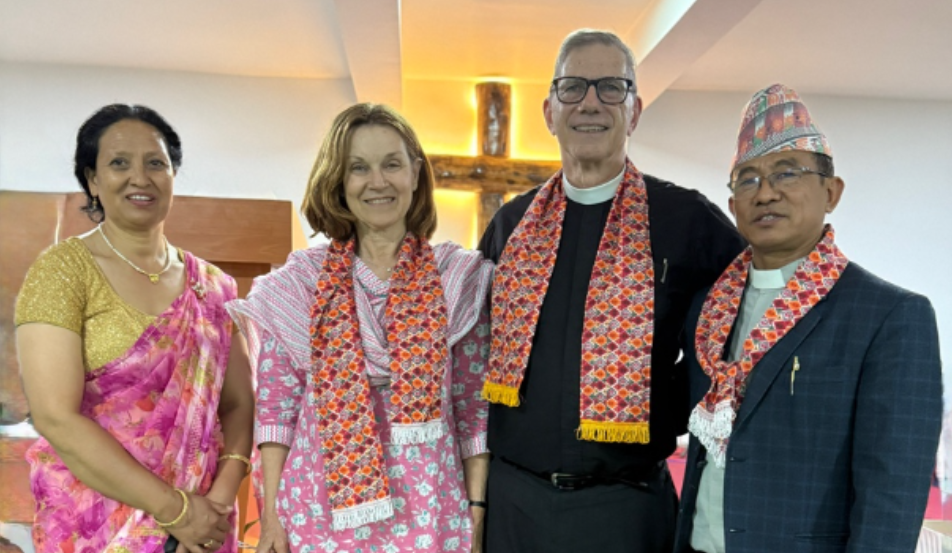
During our visit, I reflected on the early days of the ACN, before its formal formation. As we worked with an unreached people group in the 1990s, I often wondered what kind of church these new believers would form as they organized into worshipping communities. To see the fruit of those early labors—a healthy, vibrant, and Christ-centered church—is nothing short of awe-inspiring. Today, the ACN stands as a testament to God’s faithfulness, demonstrating the five core values of collaboration, relational unity, indigenousness, prayer, and being strategic that we at AFM uphold for healthy churches and missions.

Below, I’ll share observations that highlight how the ACN embodies these five values, encouraging us to pray for unreached peoples and the cross-cultural workers laboring among them.

Collaborative Leadership
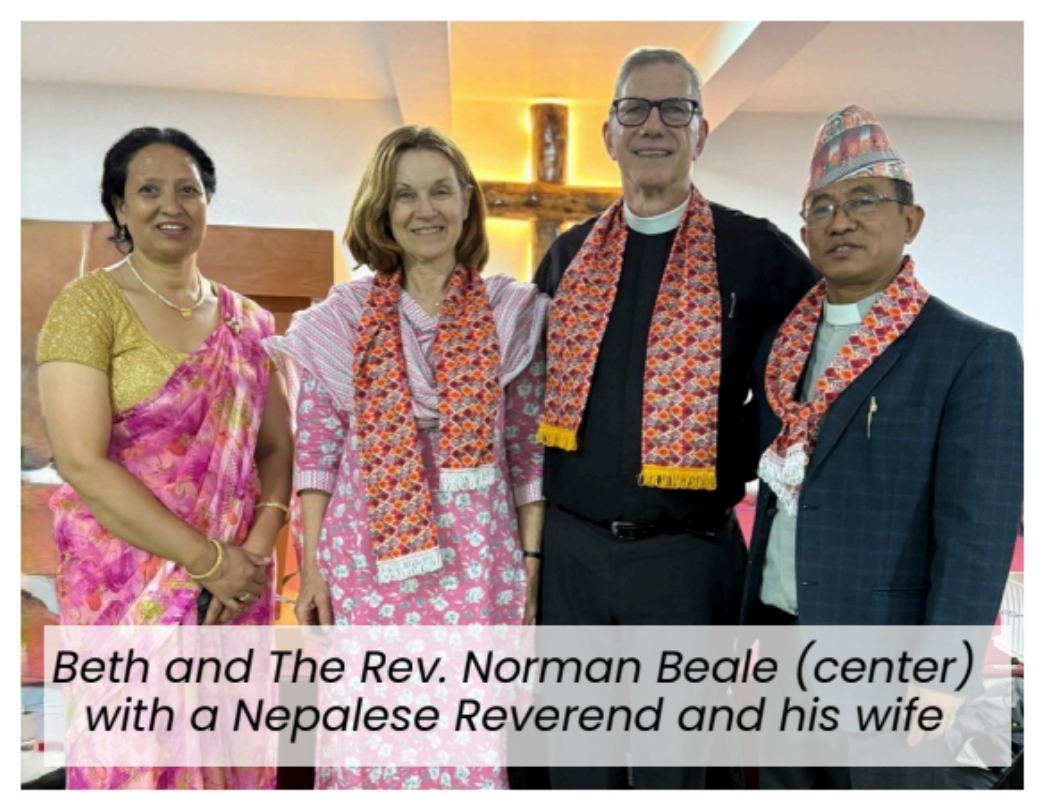
The ACN’s leaders—priests, deacons, and pastors-in-training—exemplify a spirit of collaboration. Together, they skillfully organized the 25-year anniversary celebration, coordinating intricate details such as guest hosting, worship services, and outreach visits. Over the nearly two weeks Beth and I spent in Nepal, we witnessed leaders working together to adapt to challenges and find group solutions. This level of cooperation is a testament to the years they have spent building trust and relationships.

Relational Community

One of the most striking features of the ACN is the deep camaraderie among its clergy. Whether in worship, meetings, or casual moments, there was abundant laughter and joy. Stories shared among these men and women spoke of loyalty, affection, and mutual encouragement. They are a true “band of brothers and sisters” who exemplify unity in Christ.

Indigenous Character

From its inception, the ACN has prioritized being authentically Nepali. Leadership, planning, and worship are imbued with a distinctly Nepalese tone and character. This intentionality was evident in every aspect of the anniversary celebrations, from Nepali dancing and singing to traditional dress. The churches themselves reflect the rich diversity of Nepal, worshiping God in ways that resonate deeply with their cultural context. Seeing God’s creativity expressed through this unique cultural lens was a powerful reminder of His universal love.

Prayerful Dependence

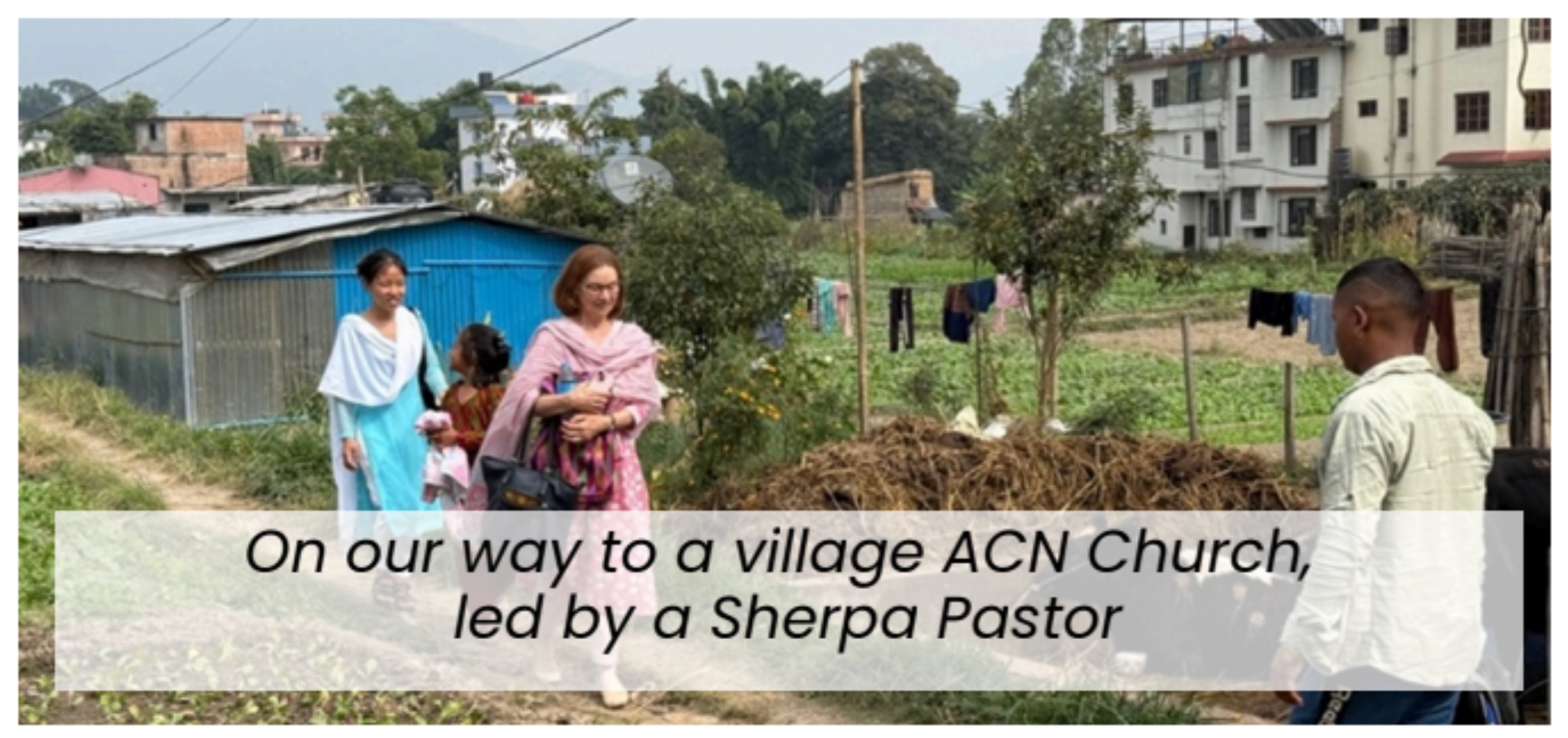
Prayer remains at the heart of the ACN’s identity. Every gathering, decision, and act of ministry begins and ends with fervent prayer. During our visit, we attended a service at one of the first local churches to join the ACN. Beginning with Morning Prayer from the Nepalese Book of Common Prayer, the service continued for two hours of heartfelt worship, a beautiful demonstration of the church’s deep reliance on God.

Strategic Growth

The ACN has demonstrated remarkable foresight in addressing both spiritual and practical needs. One notable example is the ministry in Balkhu, where the church began working among the poor and landless by establishing a school, assisting with citizenship (not automatically granted to those born in Nepal), and replacing makeshift shelters with permanent homes. Today, the Anglican Church in Balkhu has 300 members.

Another strategic milestone was the registration of ACN properties under Nepal’s Guthi system. Historically, Christians were not permitted to register land for religious purposes, unlike Hindus and Buddhists. However, recent legal research revealed that the Guthi system—a framework for registering religious properties—can also be utilized by Christians. In 2024, the ACN successfully registered its headquarters and proto-cathedral as Guthi property, ensuring its protection for religious purposes. Plans are underway to extend this status to all ACN properties, a development that is both strategic and culturally grounded. Thanks be to God!

A Legacy of Faith
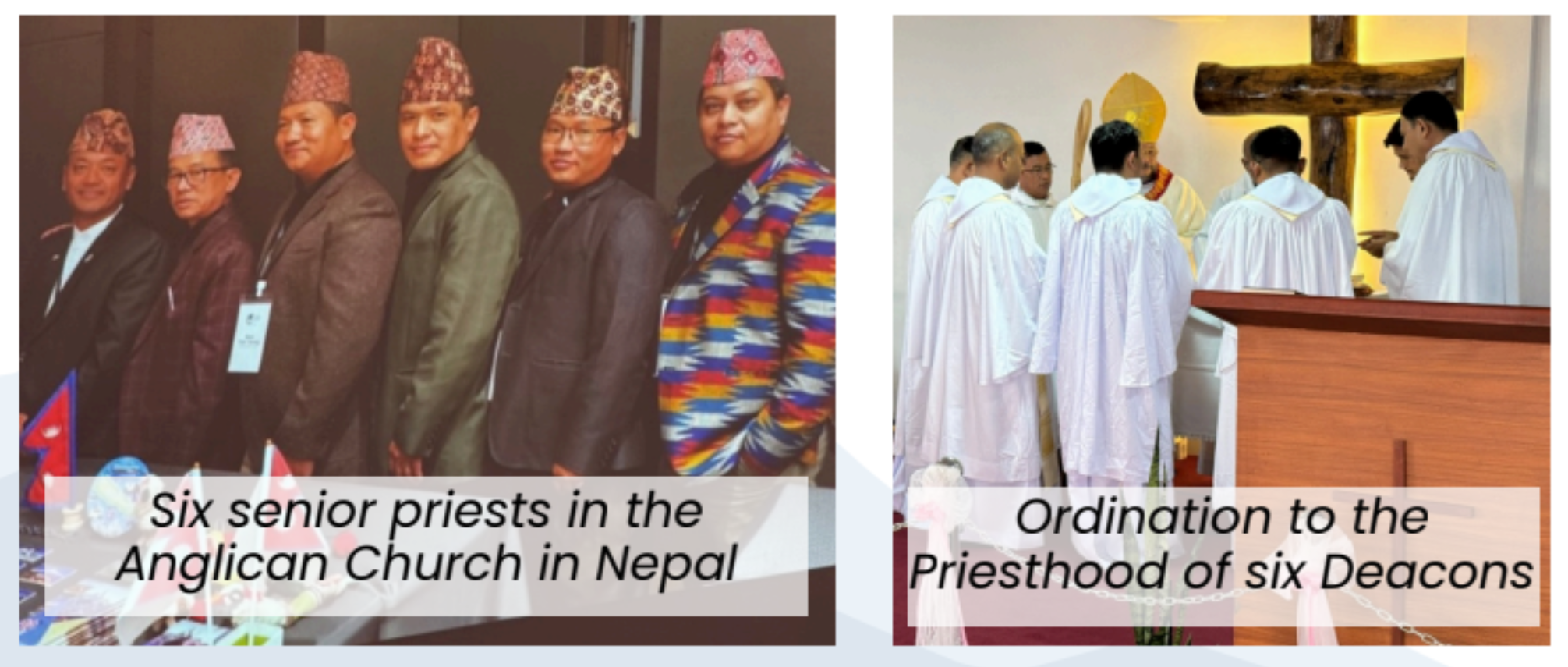
In the mid-1990s, as I began conversations with Nepali church leaders about joining the Anglican Communion, I prayed that this vision would be well received. Today, the ACN comprises 106 churches and over 11,000 baptized members from diverse ethnic backgrounds across every province of Nepal. Through challenges, joys, and unwavering faith, the ACN has grown into a thriving community that reflects the glorified Christ to the world. The next significant step will be the establishment of the Anglican Diocese of Nepal and the election of its first Nepali bishop. To God be the glory!

In early November 2024, my wife Beth and I had the privilege of returning to Kathmandu for the 25th Anniversary Celebration of the Anglican Church in Nepal (ACN). Having served as cross-cultural workers (CCWs) in Nepal during the 1990s, it was deeply moving to reconnect with old friends and celebrate the incredible work God has done in this vibrant and growing church community. To our joy, our Nepali language skills returned, allowing us to engage in meaningful conversations that made it feel as though we had never left.
Previous StoryGod’s Showcase
Next StoryGod’s Showcase: My Story

Related Articles

  • 3
    A Christmas Greeting from our Executive Director
    View Details
  • Giving Tuesday
    Is Giving Tuesday still a thing? The heart behind this special day and how you can join AFM
    View Details

Leave your comment Cancel Reply

(will not be shared)

General inquiries:
(804)-355-8468
Financial & donation inquiries:
(804)-349-0153
Office hours:
Monday-Thursday,
9 a.m.-4 p.m.
Mailing address:
P.O. Box 18038,
Richmond, VA, 23226

Anglican Frontier Missions © 2025